Thinking about how solar energy supports daily electricity needs? It’s a question many people have as they look into cleaner ways to power their homes.
Solar power, once a niche idea, is becoming a mainstream choice for good reason.
It’s about harnessing the sun’s rays to run your lights, charge your devices, and keep your appliances humming.
This guide breaks down how that actually happens, from the panels on your roof to the power flowing through your outlets, and why it matters for your wallet and the planet.
Key Takeaways
- Solar panels capture sunlight and convert it into direct current (DC) electricity using photovoltaic cells.
- Inverters change the DC electricity from panels into alternating current (AC) electricity that your home can use.
- Excess solar energy can be stored in batteries for use when the sun isn’t shining, or sent back to the grid for credits.
- Proper panel placement and regular cleaning help maximize solar energy production and system efficiency.
- Solar power offers environmental benefits, reduces electricity bills, and can increase energy independence.
Understanding How Solar Energy Supports Daily Electricity Needs
So, how does sunshine actually power your toaster or your TV? It all starts with the sun, of course.
The amount of solar radiation hitting Earth in just over an hour is enough to meet our planet’s energy needs for an entire year.
Pretty wild, right? Solar technologies capture this light, primarily through photovoltaic (PV) panels, and turn it into usable electricity.
The Fundamental Principles of Solar Power Generation
At its core, solar power generation is about converting light into electricity.
This isn’t some futuristic magic; it’s science.
The sun emits energy in the form of electromagnetic radiation.
Solar panels are designed to catch this radiation.
Think of them as collectors.
They don’t need direct, blazing sunlight to work, either.
Even on a cloudy day, they can still grab energy from indirect light.
How Solar Panels Convert Sunlight into Usable Electricity
Solar panels are typically made from silicon, the same stuff found in beach sand.
When sunlight hits the silicon cells within a panel, it knocks electrons loose.
These freed electrons start moving, creating an electric current.
This process is called the photovoltaic effect.
The electricity generated by the panels is direct current (DC).
This is different from the alternating current (AC) that most of your home appliances use.
So, while the panels are busy making DC power, something else needs to step in to make it compatible with your home.
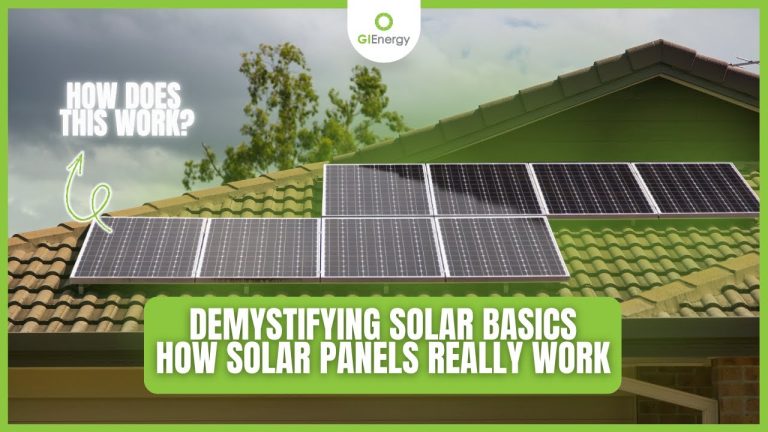
Solar panels transform sunlight into electrical energy.
The Role of Inverters in Solar Energy Systems
This is where the inverter comes in.
It’s a pretty important piece of equipment in any solar setup.
The inverter takes the DC electricity produced by the solar panels and converts it into AC electricity.
This AC power is then what flows through your home’s wiring to power everything from your lights to your refrigerator.
If your system generates more electricity than you’re using at any given moment, that excess power can either be sent back to the utility grid or stored in batteries for later use, depending on how your system is set up.
Many people worry about solar power not working when it’s cloudy or at night.
While panels produce less power without direct sun, they still generate some electricity from indirect light.
For nighttime power, that’s where battery storage or a connection to the grid comes into play, ensuring you always have electricity.
Meeting Your Energy Demands with Solar Power
So, you’re thinking about solar, but how does it actually keep the lights on and the fridge running? It’s not magic, though it might feel like it sometimes.
Solar energy systems are designed to meet your household’s electricity needs, and they do a pretty good job of it.
The sun provides the raw power, and your system converts it into usable electricity for your home.
Powering Your Home Day and Night with Solar
When the sun is shining, your solar panels are busy converting sunlight into electricity.
This is the most direct way solar powers your home.
But what about when the sun goes down, or on those really cloudy days? That’s where a couple of things come into play.
Most homes with solar are still connected to the main electrical grid.
If your panels aren’t producing enough power, your home automatically pulls electricity from the grid, just like it always did.
It’s a pretty smooth transition, so you usually don’t even notice.
For those looking for more independence, adding a battery storage system is a game-changer.
Any extra electricity your panels generate during the day, beyond what your home is using at that moment, can be stored in the battery.
Then, when your panels aren’t producing enough, your home can draw power from the battery.
This is especially helpful for powering essential appliances overnight or during periods of low sunlight.
It’s a way to use your own generated power even when the sun isn’t out.
This is a key aspect for homes looking to rely less on the grid, and you can often increase your solar storage capacity if needed.
The Impact of Solar on Reducing Electricity Bills
One of the biggest draws of going solar is the potential to significantly lower your monthly electricity bills.
When your solar panels are generating electricity, you’re using less power from the utility company.
If you’re in a net metering area, any excess power your panels send back to the grid can earn you credits on your bill.
Think of it as selling your extra sunshine back to the power company.
Over time, these savings can really add up, making solar a smart financial choice.
Here’s a general idea of how savings can work:
| Scenario | Solar Production vs.
Home Usage |
Bill Impact |
|---|---|---|
| Sunny Day, High Production | Production > Usage | Excess sent to grid (credits) |
| Cloudy Day, Low Production | Production < Usage | Grid power used (offset by credits) |
| Nighttime | No Production | Grid or battery power used |
Ensuring Consistent Power Through Energy Storage
Energy storage, primarily through solar batteries, is becoming increasingly important for a reliable solar setup.
It’s not just about saving money; it’s about having power when you need it.
Batteries act as a buffer.
They store surplus energy generated during peak sunlight hours.
This stored energy can then be used during times of low solar production, like evenings or cloudy weather, or even during a power outage if you have a backup system configured correctly.
This ability to store and deploy energy on demand provides a more consistent and reliable power supply, reducing reliance on the grid and offering peace of mind.
It’s a way to make your solar energy work for you around the clock.
Solar panels can still generate electricity on cloudy days, though at a reduced rate.
They are designed to withstand various weather conditions, and even cold temperatures can sometimes boost their efficiency.
Don’t assume that just because it’s not sunny, your panels are doing nothing.
Key Components of a Solar Energy System
So, you’re thinking about solar, huh? It’s not just magic panels on your roof.
There are a few main players that make the whole system work.
Let’s break them down.
Solar Panels: The Core Energy Collectors
These are the stars of the show, obviously.
Solar panels are made up of several parts, like glass on the front, the actual solar cells that do the work, and a sturdy frame.
Their main job is to catch sunlight and turn it into electricity. It’s pretty neat when you think about it.
The better the panels, the more power you can get from the sun.
You can find out more about how these panels work by looking into photovoltaic technology basics.
Inverters: Transforming DC to AC Power
Okay, so the panels make electricity, but it’s not quite ready for your toaster.
It’s in a form called DC (direct current).
Your home appliances, however, run on AC (alternating current).
That’s where the inverter comes in.
It’s like a translator, converting the DC power from the panels into the AC power your house can actually use.
There are a few types, like string inverters or micro-inverters, and the best choice depends on your setup.
Batteries: Storing Excess Solar Energy
What happens to all that extra power your panels make on a super sunny day? If you’re not using it all right away, it can be stored in batteries.
Think of them as a solar piggy bank.
This stored energy is super handy for when the sun goes down or on cloudy days.
It means you can still power your home with solar even when the panels aren’t actively generating electricity.
This is a big deal for keeping the lights on.
Solar Generators for Portable Power
These are a bit different.
A solar generator is basically a portable battery pack that you can charge up using solar panels.
They’re great for camping trips, powering tools at a remote job site, or even as a backup for your home during a power outage.
They give you electricity wherever you need it, as long as you’ve got some sun to charge them up.
Maximizing Solar Energy Production and Efficiency
So, you’ve got solar panels, that’s great! But how do you make sure they’re working their best? It’s not just about setting them up and forgetting about them.
A little attention can go a long way in getting the most power out of your investment.
Optimizing Panel Placement for Maximum Sunlight
Where your panels are located makes a huge difference.
Think of it like finding the sunniest spot in your yard for a garden.
For solar panels, this means positioning them to catch as much direct sunlight as possible throughout the day.
Ideally, panels face south in the Northern Hemisphere to track the sun’s path.
However, the specific angle, or tilt, also matters and can be adjusted based on your latitude and whether you want to maximize summer sun or get more power in winter.
Obstructions like trees or buildings casting shadows are the enemy here.
Even a little shade can really cut down on how much electricity your system produces.
Maintaining Solar Panels for Peak Performance
Keeping your panels clean is probably the easiest way to keep them running well.
Dust, dirt, leaves, and even bird droppings can build up over time, blocking sunlight.
While rain helps, it doesn’t always get everything.
A good cleaning once a year, or maybe twice if you live in a dusty area, can make a noticeable difference.
It’s also a good time to just give them a quick look-over to spot any obvious issues.
You can often do this yourself, or hire a service.
It’s not complicated, but it does help.
Here’s a quick rundown of maintenance tasks:
- Regular Cleaning: Wash panels with water and a soft brush or cloth.
Avoid harsh chemicals.
- Visual Inspection: Check for any cracks, loose wiring, or damage.
- Shading Check: Ensure new growth or structures aren’t blocking sunlight.
- Performance Monitoring: Keep an eye on your system’s output to catch any sudden drops.
Smart Home Integration for Efficient Energy Use
Beyond the panels themselves, how you use energy in your home plays a big role.
Smart home technology can help you use the solar power you generate more wisely.
Think about smart thermostats that adjust your home’s temperature when the sun is shining brightest, or smart plugs that can run appliances like dishwashers or washing machines during peak solar production hours.
By aligning your energy usage with your solar generation, you can reduce your reliance on grid power even further.
It’s about being smart with the clean energy you’re making.
Using your solar energy efficiently means looking at both how much you generate and how much you use.
By making small adjustments to your habits and using smart technology, you can get more value from your solar setup.
It’s about making your home work with your solar system, not against it.
Integrating Solar Power with the Electrical Grid
Grid-Tied Systems and Net Metering Explained
Most homes with solar panels stay connected to the main electrical grid.
This is a pretty common setup, and it works like this: during the day, your solar panels make electricity.
If you’re making More Than You need right then, that extra power gets sent back to the grid.
Think of it like selling your surplus back to the power company.
In return, you often get credits on your electricity bill.
This is called net metering.
Then, when the sun goes down or it’s a really cloudy day and your panels aren’t producing enough, you can pull power from the grid.
Those credits you earned earlier help offset the cost of the power you’re using from the grid.
This connection ensures you always have electricity, day or night.
Hybrid Systems: Combining Storage and Grid Connection
Hybrid systems are kind of the best of both worlds.
They combine solar panels, battery storage, and a connection to the grid.
So, your panels generate power, and any extra is stored in your home’s battery.
If you need more power than your panels are making and your battery is low, you can still pull from the grid.
This setup gives you a lot of flexibility.
You can rely on your stored solar energy as much as possible, but you have the grid as a backup.
It’s a good way to get more energy independence while still having that safety net.
Understanding Off-Grid Solar Solutions
Going completely off-grid means you’re not connected to the main electrical grid at all.
This is a bigger commitment and usually involves a robust battery storage system.
Your solar panels generate power, and all excess energy is stored in batteries.
These batteries then power your home when the sun isn’t shining.
It requires careful planning to make sure you have enough storage to cover your needs, especially during longer periods without sun.
It’s a path for those seeking maximum energy independence, but it comes with its own set of considerations for consistent power supply.
The Broader Impact of Solar Energy Adoption
Environmental Benefits of Solar Power
Switching to solar power is a big win for the planet.
Unlike burning fossil fuels, solar panels don’t release greenhouse gases into the air.
This means cleaner air for us to breathe and a smaller carbon footprint overall.
Think about it: every home or business that goes solar is one less source of pollution.
It’s a simple yet powerful way to help combat climate change.
Plus, solar farms can often be built on land that isn’t great for farming, so they don’t take up valuable agricultural space.
Energy Independence and Grid Resilience
Having solar panels on your roof means you’re not totally dependent on the big utility companies for your electricity.
You’re generating your own power, which is pretty cool.
This also makes the whole electricity system more stable.
If one part of the grid goes down, homes with solar and battery storage can keep their lights on.
It’s like having a backup plan built right into your house.
This distributed power generation makes the grid tougher against outages, whether they’re caused by storms or other issues.
Economic Growth Driven by Solar Technology
The solar industry is a job creator, plain and simple.
From manufacturing the panels to installing them on rooftops and maintaining solar farms, there are many jobs being created.
This growth isn’t just about jobs, though.
It also spurs innovation in technology and manufacturing.
As more people and businesses adopt solar, the demand increases, driving down costs and making solar even more accessible.
It’s a positive cycle that benefits everyone.
Here’s a quick look at some of the economic upsides:
- Job Creation: Manufacturing, installation, sales, and maintenance roles are expanding.
- Investment Opportunities: The growing solar market attracts significant investment.
- Reduced Energy Costs: Lower electricity bills for consumers and businesses.
- Technological Advancement: Pushing innovation in energy storage and efficiency.
The shift towards solar energy isn’t just about powering our homes; it’s about building a more sustainable future, creating economic opportunities, and strengthening our energy security.
It’s a move that makes sense for our wallets and for the world around us.
Wrapping Up Your Solar Journey
So, we’ve walked through how solar panels work, how they can power your home day and night, and even how they can help the planet.
It’s pretty cool that something as simple as sunlight can be turned into the electricity that runs your TV or charges your phone.
Whether you’re looking to save a bit on your electric bill or just want to use cleaner energy, solar is definitely worth thinking about.
It’s not as complicated as it might seem, and there are plenty of ways to get started.
Thanks for reading along!
Frequently Asked Questions
How do solar panels actually make electricity?
Solar panels are made of special materials, like silicon, which is basically sand.
When sunlight hits these materials, it knocks tiny particles called electrons loose.
These moving electrons create an electric current, kind of like how water flowing through a pipe creates movement.
This current is direct current (DC) electricity.
What happens to the electricity from the panels if I’m not using it?
If your solar panels make more electricity than your home needs at that moment, the extra power can be sent back to the main power grid.
In many areas, you get credit for this energy, which can lower your electric bill.
Alternatively, this extra power can be stored in batteries for later use, like at night.
Can solar panels power my home at night?
Solar panels only work when the sun is out.
However, if you have a solar battery system, the extra electricity your panels made during the day is stored.
At night, your home can use this stored energy from the batteries.
If you’re connected to the grid, you can also use electricity from the grid, often using up credits you earned earlier.
Do solar panels work when it’s cloudy or raining?
Yes, they do! While solar panels work best in direct sunlight, they can still create electricity from indirect light on cloudy or rainy days.
It won’t be as much power as on a sunny day, but they still generate some energy.
Solar panels are also built tough to handle different weather conditions.
What is an inverter, and why is it important?
The electricity that solar panels make is called direct current (DC).
Most of the appliances and lights in your home use a different type of electricity called alternating current (AC).
An inverter is a crucial device that changes the DC electricity from your panels into the AC electricity your home can use.
How much electricity can solar panels provide for my home?
The amount of electricity solar panels can provide depends on several things, like how many panels you have, their size and efficiency, where you live (how much sun you get), and how your panels are positioned.
For an average home, a system can significantly reduce or even cover most of your electricity needs.