Summer’s heat is fading, and maybe your electric bill isn’t.
Thinking about solar power but feel lost in all the technical talk? You’re not alone.
It might sound complex with terms like ‘photovoltaic’ and ‘inverters,’ but the basic idea is pretty straightforward.
We’re going to break down how solar power actually works for beginners, so You Can Understand the magic behind those panels on your roof.
Key Takeaways
- Solar energy comes from the sun and is converted into electricity using solar panels, which rely on the photovoltaic effect.
- The main parts of a solar system include solar panels to capture sunlight, an inverter to change the electricity type, and optional batteries for storage.
- Sunlight hits panels, creating DC electricity, which the inverter then turns into AC electricity that your home can use.
- Excess electricity can be sent back to the power grid, or stored in a battery for later use, offering flexibility and potential savings.
- Solar power is reliable, can increase home value, and, despite an initial cost, offers long-term savings and environmental benefits.
Understanding The Basics Of Solar Power
So, you’re curious about solar power, huh? It sounds fancy, but at its heart, it’s pretty straightforward.
Think of it as capturing sunshine and turning it into electricity for your home.
It all starts with the sun, that big fiery ball in the sky that beams down light and heat.
Solar power systems are basically designed to grab that sunshine and convert it into a usable form of energy.
What Is Solar Energy?
Simply put, solar energy is the light and heat we get from the sun.
It’s a massive, renewable resource that’s available everywhere on Earth, though some places get a lot more direct sunshine than others.
Instead of relying on fuels that we dig out of the ground and burn, solar energy taps into this constant stream of power from space.
It’s clean, it’s abundant, and it’s not going to run out anytime soon.
The Photovoltaic Effect Explained
This is where the magic happens, and it’s not really magic at all, just science! Solar panels use something called the photovoltaic effect.
When sunlight, which is made up of tiny energy packets called photons, hits special materials in the solar panel (usually silicon), it knocks electrons loose.
These freed-up electrons then start to move, and when electrons move, that’s electricity! It’s like a tiny domino effect happening on a microscopic level.
How Sunlight Becomes Electricity
Here’s a quick rundown of the process:
- Sunlight Hits the Panel: Photons from the sun strike the photovoltaic cells within the solar panels.
- Electrons Get Excited: The energy from the photons causes electrons in the silicon cells to become energized and move.
- DC Current is Created: This movement of electrons generates a flow of direct current (DC) electricity.
This DC electricity is the raw form of power generated by the panels.
It’s not quite ready for your toaster or TV yet, but it’s the first step in a fascinating process.
It’s important to remember that while the concept is simple, the technology involves sophisticated materials and engineering to capture as much sunlight as possible and convert it efficiently.
Key Components Of A Solar System
So, you’ve got sunlight, and you want to turn it into electricity for your home.
That’s awesome! But it’s not just one magic box doing all the work.
A solar setup is actually a team of components, each with its own job.
Think of it like building a really cool LEGO set – you need all the right pieces to make it stand up and do its thing.
The Role Of Solar Panels
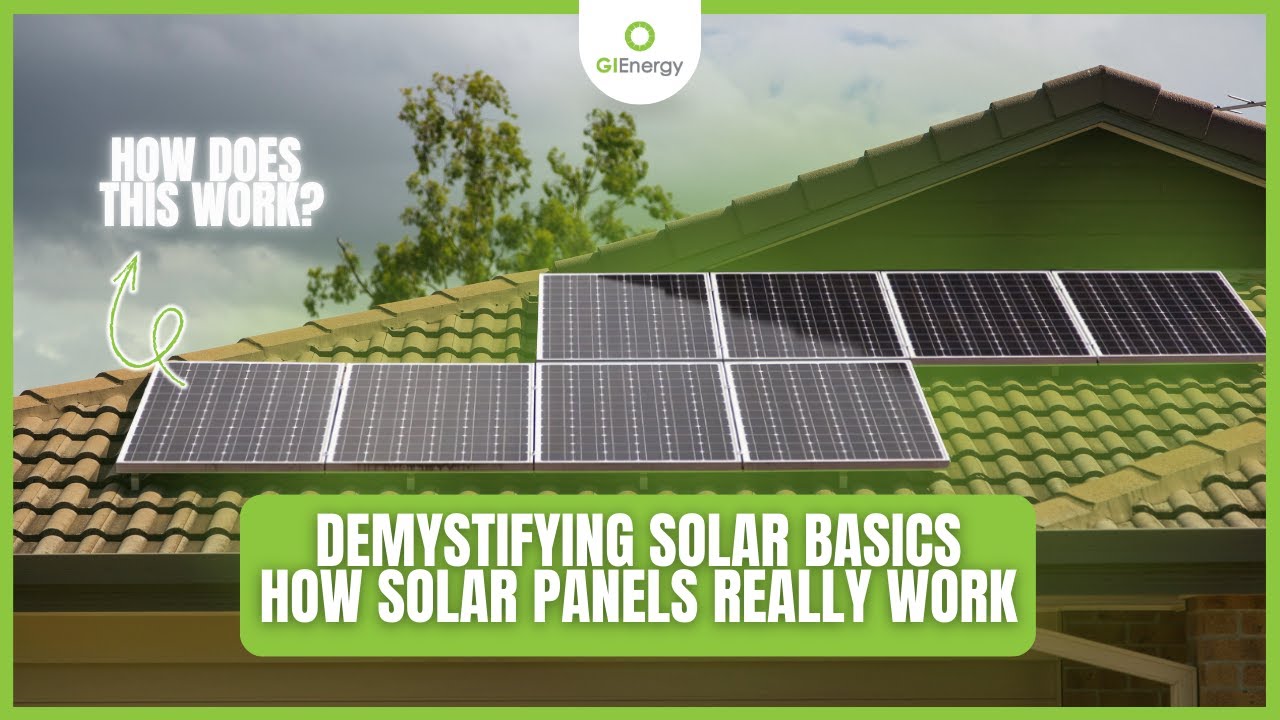
These are the stars of the show, right? Solar panels are what you see on rooftops, those dark, rectangular things.
Their main gig is to catch sunlight.
Inside each panel are what we call photovoltaic (PV) cells.
These cells are usually made of silicon, and when sunlight hits them, they get excited and start a process that creates direct current (DC) electricity.
It’s pretty neat how they can take light and turn it into electrical energy.
The panels themselves are built tough, with a glass front to let the light in and protect the cells, and a metal frame to keep everything sturdy and help with mounting.
Understanding The Solar Inverter
Okay, so the solar panels make DC electricity.
That’s great, but most of our homes run on a different kind of electricity called alternating current (AC).
Your toaster, your TV, your lights – they all use AC.
This is where the solar inverter comes in.
It’s like a translator, taking the DC power from the panels and converting it into the AC power that your home can actually use.
Without an inverter, all that electricity the panels make would just be sitting there, unable to power your appliances.
It’s a pretty important piece of the puzzle.
Optional Battery Storage
Now, this part isn’t always included, but it’s becoming super popular.
Battery storage is exactly what it sounds like: a battery that stores extra solar energy.
Why would you want that? Well, on a sunny day, your panels might make more electricity than you’re using at that moment.
Instead of just sending all that extra power back to the grid (which you might get credit for, but often at a lower rate), you can store it in a battery.
Then, when the sun goes down, or on a cloudy day, you can use that stored energy.
It’s also a fantastic backup if the power grid goes out.
You can keep your lights on and your fridge running even when your neighbors are in the dark.
Think of your solar system like a small power plant on your roof.
The panels are the generators, the inverter is the transformer station, and the battery is like a reservoir for electricity.
All these parts need to work together smoothly to get you the power you need, when you need it.
The Journey Of Solar Energy
So, you’ve got solar panels on your roof.
That’s awesome! But what actually happens after the sun hits those panels? It’s a pretty neat process, and understanding it makes the whole thing feel less like magic and more like smart engineering.
Sunlight Absorption By Panels
It all starts with the sun, obviously.
Those dark, rectangular panels you see are designed to soak up as much sunlight as possible.
They’re made of special materials, usually silicon, that have a unique property.
When sunlight, which is made of tiny energy packets called photons, hits these materials, it knocks electrons loose from their atoms.
Think of it like a tiny billiard game happening on a microscopic level.
DC Electricity Generation
When those electrons get knocked loose, they start moving.
This movement of electrons is what we call electricity.
The electricity generated by solar panels is a bit different from what your house uses; it’s called Direct Current (DC) electricity.
It flows in one direction, kind of like water flowing down a river.
This is the first form of electricity produced by your solar setup.
Conversion To Usable AC Power
Now, your toaster, your TV, and pretty much everything else in your house runs on Alternating Current (AC) electricity.
AC electricity changes direction many times per second.
So, that DC electricity from the panels needs to be converted.
This is where the solar inverter comes in.
It’s a key piece of equipment that takes the DC power and transforms it into the AC power your home can actually use.
This conversion is what makes solar power practical for everyday use. Without it, the electricity generated would just sit there, unable to power your appliances.
It’s a bit like translating a foreign language so everyone can understand it.
The whole process of converting sunlight into usable electricity is a fascinating example of harnessing renewable energy technology.
Managing Your Solar Energy
So, your solar panels have done their magic and created electricity.
What happens next? It’s not just about generating power; it’s about how you use it.
Think of it like this: you’ve got this amazing new resource, and you want to make sure it’s working for you.
Distribution Throughout Your Home
Once the sunlight hits your panels, it’s converted into Direct Current (DC) electricity.
But your toaster and TV don’t run on DC, right? That’s where the solar inverter comes in, transforming that DC power into Alternating Current (AC) power, which is what your home appliances use.
This usable AC electricity then flows to your home’s main electrical panel.
From there, it’s distributed just like electricity from the utility company, powering everything from your lights to your refrigerator.
It’s a pretty neat process that happens without you even noticing.
Sending Excess Energy To The Grid
What happens if your solar system is producing more electricity than you’re using at any given moment? This is a common scenario, especially on sunny afternoons.
Instead of that extra power going to waste, it gets sent back to the utility grid.
Your electric meter actually tracks this flow, so you get credit for the energy you’re contributing.
This process, often called net metering, can significantly reduce your electricity bills.
It’s like having a two-way street for power, where you can both draw from and contribute to the grid.
You can learn more about how this works on pages about net metering.
Utilizing Stored Energy
For those who opt for battery storage, this is where things get even more interesting.
If your solar panels generate more electricity than your home needs, that surplus power can be stored in a battery.
This stored energy can then be used later, such as during the evening when the sun isn’t shining, or even during a power outage.
It gives you a backup power source and allows you to use your own solar-generated electricity at times when you might otherwise have to pull from the grid.
It’s a fantastic way to maximize your solar investment and gain more energy independence.
Beyond Electricity Generation
So, your solar panels are humming along, turning sunlight into power for your home.
That’s the main event, right? But there’s more to the story than just flipping a switch and seeing the lights come on.
Think of it like owning a car – you don’t just drive it; you also need to keep an eye on its performance, give it a tune-up now and then, and understand what happens if something goes wrong.
The same applies to your solar setup.
Monitoring System Performance
Keeping tabs on how your solar system is doing is pretty straightforward these days.
Most modern systems come with monitoring apps or online portals.
These tools let you see how much electricity your panels are producing in real-time, how much your home is using, and if you’re sending any extra power back to the grid.
It’s like having a dashboard for your home’s energy.
You can spot trends, like how production dips on cloudy days or spikes during peak summer sun.
This information helps you understand your energy habits better and ensures your system is working as it should.
Maintenance For Longevity
Solar panels are built tough, but they aren’t completely maintenance-free.
The most common task is keeping them clean.
Dust, pollen, bird droppings – they can all build up and block sunlight, reducing how much electricity you generate.
Depending on where you live, a good rain might do the trick, but sometimes a gentle wash with water and a soft brush is needed.
It’s not a big job, and doing it occasionally can make a noticeable difference in your system’s output over the years.
Beyond cleaning, it’s wise to have a professional check the system every few years to make sure all the connections are tight and everything is in good working order.
Understanding Solar Warranties
When you invest in solar, you’ll encounter a couple of different warranties.
There’s usually a product warranty on the panels themselves, covering defects in materials or workmanship.
This is typically for 10 to 25 years.
Then there’s a performance warranty, which guarantees that your panels will produce a certain percentage of their rated power output over a longer period, often 25 years.
It’s important to read the fine print on these so you know exactly what’s covered and for how long.
Knowing your warranty details gives you peace of mind about your long-term investment.
Here’s a quick look at typical warranty periods:
- Product Warranty: 10-25 years
- Performance Warranty: 25 years (guaranteeing 80-90% of original output)
- Inverter Warranty: 5-25 years (varies by manufacturer)
While the upfront cost of solar can seem high, understanding the long-term benefits, including warranties and reduced electricity bills, paints a clearer picture of the overall value.
It’s an investment in your home and the environment that pays off over time.
Addressing Common Solar Concerns
So, you’re thinking about solar, but a few questions are probably bouncing around in your head.
That’s totally normal! Let’s clear up some of the common worries people have about making the switch.
Is Solar Power Reliable?
This is a big one for many folks.
The idea that when the sun isn’t shining, you’re suddenly in the dark is a common misconception.
Solar power systems are designed to keep your lights on, day and night.
Here’s how it works:
- Grid-Tied Systems: Most homes are connected to the main power grid.
If your solar panels aren’t producing enough electricity (like at night or on a very cloudy day), your home automatically pulls power from the grid.
It’s like having a backup, but it’s always there.
- Net Metering: When your panels produce more electricity than you’re using, that extra power often goes back to the grid.
Your utility company usually credits you for this, which can lower your bill even further.
- Battery Storage: For those who want extra peace of mind or to be completely independent, adding a battery is an option.
These batteries store excess solar energy, so you can use it when the sun isn’t out, or during a power outage.
With these setups, solar can actually offer more flexibility and reliability than relying solely on the traditional grid, which can experience its own outages.
Impact On Home Value
Some people worry that installing solar panels might hurt their home’s resale value.
The good news? It’s usually the opposite.
Studies have shown that homes with solar panels tend to sell for more money than comparable homes without them.
Buyers often see solar as a smart investment that lowers future energy costs.
Think of it as a built-in upgrade that appeals to a growing number of environmentally conscious and budget-savvy buyers.
The Cost Of Solar Investment
Let’s be real, the upfront cost of a solar system can seem like a lot.
It’s definitely an investment.
However, it’s important to look at the long game.
Over the lifespan of the panels (which is typically 25 years or more), the electricity they generate can save you a significant amount of money on your utility bills.
Plus, there are often tax credits and incentives available that can help reduce that initial price tag.
It’s not just an expense; it’s an investment that can pay for itself over time and protect you from rising electricity prices.
When you consider the money saved on electricity bills over decades, plus potential incentives, the overall cost of solar often becomes much more manageable than people initially think.
It’s about looking at the total picture, not just the sticker price.
So, What’s the Takeaway?
Alright, so we’ve gone through how the sun’s rays turn into electricity that can power your toaster or your TV.
It’s not some crazy, complicated science experiment; it’s pretty straightforward once you break it down.
You’ve got the panels catching light, the inverter making the power usable, and maybe even a battery for those cloudy days or nighttime TV binges.
Thinking about solar might seem like a big step, but honestly, it’s becoming more common and, dare I say, simpler than you might have thought.
It’s a way to get a handle on your electric bill and do a little something good for the planet, too.
Maybe it’s time to look into it a bit more for your own place.
Frequently Asked Questions
What exactly is solar energy?
Solar energy is basically the light and heat that comes from the sun.
We can catch this sunshine and turn it into electricity to power our homes and gadgets.
It’s a super clean way to get energy because it’s always available and doesn’t harm the planet.
How Do Solar Panels turn sunlight into electricity?
Solar panels have special parts called photovoltaic (PV) cells.
When sunlight hits these cells, it excites tiny particles called electrons, making them move.
This movement creates a flow of electricity, kind of like a tiny river of power.
This electricity is direct current (DC).
Why do I need an inverter?
The electricity made by solar panels is DC, which is like a one-way street for power.
Most of our homes run on AC, or alternating current, which is like a two-way street.
An inverter is a crucial box that changes the DC electricity from your panels into the AC electricity that your lights, TV, and other appliances can actually use.
What happens to the extra electricity my solar panels make?
If your solar panels create more electricity than your house needs at that moment, the extra power usually gets sent back to the main power grid.
Your electric company often gives you credit for this extra energy, which can help lower your bill even more.
Or, if you have a battery, it can be stored for later use.
Is solar power reliable, especially when the sun isn’t shining?
That’s a common worry! Solar panels don’t make power at night, but you still have electricity.
If your system is connected to the grid, you’ll automatically use power from the grid when your panels aren’t producing.
Many systems also have batteries that store extra sunshine power for use when it’s dark or cloudy.
Does adding solar panels to my house increase its value?
Yes, it often does! Many studies show that homes with solar panel systems tend to sell for more money.
Buyers see them as a smart upgrade that can save them money on electricity bills in the future, making your home more attractive.
Read More Posts
- Debunking Myths: Do Solar Panels Really Not Work in Cloudy Areas?
- Why People Believe Wrong Facts About Solar Energy: Debunking Common Misconceptions
- Clearing the Air: Unraveling Common Misunderstandings About Home Solar Efficiency
- Demystifying Solar Power: How It Actually Works for Beginners
- Solar Panels for Everyday Use: A Simple Explanation You Can Understand
- How Regular Households Benefit from Small Solar Setups: Unlocking Savings and Sustainability
- What People Get Wrong About Basic Solar Energy Facts: Debunking Common Misconceptions
- Discover Simple Ways Families Use Solar Energy at Home for a Brighter Future
- Beyond the Grid: Practical Examples of Solar Use in Everyday Routines