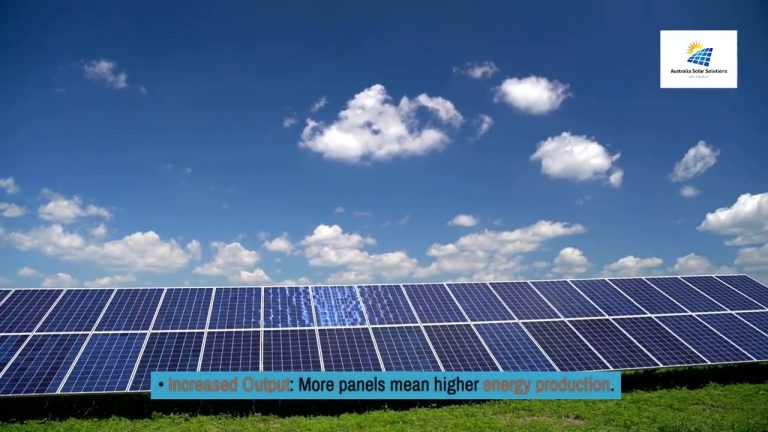
Thinking about solar? It’s not just about big setups anymore.
Solar energy has become super practical for everyday stuff, way beyond just powering your whole house.
We’re talking about simple ways to cut down on bills and make life a bit easier, all thanks to the sun.
Whether you want to heat your water for less, keep your phone charged on the go, or just make your backyard look nice at night without adding to your electric bill, there are some really straightforward options.
Let’s look at some practical examples of solar use in everyday routines that you might not have thought of.
Key Takeaways
- Solar panels can power your entire home, from lights to major appliances, and smart monitoring helps you use that power wisely.
- Solar water heaters can significantly cut down your bills for hot water, using either active or passive systems.
- Solar energy is great for outdoor lighting and charging small gadgets, making your outdoor spaces functional and your devices ready to go.
- Having solar power means you’re prepared for blackouts, with options for backup power and even living off the grid.
- You can charge your electric car with solar power, which is cheaper and better for the environment than using regular electricity or gas.
Powering Your Household With Solar Energy
Harnessing Sunlight for Daily Electricity Needs
Think of your home’s electricity needs as a big pie.
Traditionally, that pie is cut from the utility company’s power grid.
But with solar panels on your roof, you can start slicing off pieces of that pie directly from the sun.
Photovoltaic (PV) cells in solar panels capture sunlight and turn it into direct current (DC) electricity.
Since most of our home appliances run on alternating current (AC), an inverter steps in to convert the DC to AC.
This means everything from your lights and refrigerator to your TV and computer can be powered by the sun.
A typical home solar setup can generate a good chunk of your daily electricity needs, often between 10 to 30 kilowatt-hours (kWh) per day, depending on where you live and how much sun you get.
Optimizing Energy Usage With Smart Monitoring
It’s not just about generating power; it’s about using it wisely.
Smart monitoring systems give you a clear picture of how much energy your solar panels are producing and how much your household is consuming, often in real-time.
This information is gold.
You can see when your system is making the most power and then schedule energy-hungry tasks, like running the dishwasher or washing machine, for those times.
This way, you’re using your own solar-generated electricity instead of pulling from the grid, which can lead to noticeable savings on your utility bills.
It’s like having a personal energy assistant keeping an eye on things.
Smart monitoring transforms solar from a passive energy source into an active participant in your home’s efficiency.
You gain control and insight, making your energy use more deliberate and cost-effective.
Understanding Solar Panel Output and Storage
Solar panel output isn’t constant; it fluctuates with the weather and time of day.
On a bright, sunny afternoon, your panels will be working at their peak.
On a cloudy day, or early in the morning and late in the evening, their output will be lower.
But what happens when your panels produce more electricity than you’re using? This surplus power can be a valuable asset.
In many areas, you can send this excess energy back to the utility grid through a process called net metering, often earning you credits on your bill.
Alternatively, you can store this extra energy in a home battery system.
Batteries act like a reserve tank, holding onto solar power so you can use it after the sun goes down or during those times when your panels aren’t producing much.
This storage capability is key to maximizing your solar investment and increasing your energy independence.
Here’s a quick look at factors affecting solar output:
- Sunlight Intensity: More direct sunlight equals more power.
- Panel Angle and Orientation: Panels facing south (in the Northern Hemisphere) generally perform best.
- Shading: Trees or buildings blocking sunlight significantly reduce output.
- Temperature: Panels can become less efficient when they get too hot.
- Panel Condition: Keeping panels clean from dirt and debris helps maintain optimal performance.
Reducing Utility Bills With Solar Water Heating
You know, those utility bills can really add up, especially the part that goes towards heating your water.
It’s one of those things we use all day, every day, for showers, laundry, dishes – you name it.
But what if I told you there’s a way to slash that cost significantly? Solar water heating is a pretty neat technology that uses the sun’s rays to warm up your water, meaning your regular water heater doesn’t have to work nearly as hard, or at all on sunny days.
Significant Savings on Hot Water Expenses
This is where you can see some real financial relief. Many homeowners find that switching to solar water heating can cut their hot water expenses by a huge margin, sometimes between 50% and 80%.
Think about what you could do with that extra money each month! It’s not just about saving cash, though; it’s also a smart move for the environment, cutting down on the energy needed to heat your water, which often comes from fossil fuels.
It’s a win-win, really.
You save money, and you help reduce your home’s carbon footprint.
Plus, these systems are built to last and don’t need a ton of upkeep, making them a solid, long-term investment for your home.
Active Versus Passive Solar Water Heating Systems
When you look into solar water heaters, you’ll notice there are two main types: active and passive.
They both use the sun, but they do it a bit differently.
- Active Systems: These use pumps to move water (or a heat-transfer fluid) through solar collectors on your roof.
The sun heats the fluid, and then it’s circulated to your storage tank.
They’re a bit more complex but can be very efficient.
- Passive Systems: These are simpler and rely on natural circulation.
Hot water is lighter and rises, so the system is designed to let the heated water flow up into the storage tank without needing a pump.
They’re often less expensive upfront and have fewer parts to worry about.
Both types are designed to keep water hot for hours, even if the sun isn’t shining brightly, thanks to well-insulated tanks.
It’s pretty amazing how they work, even on cloudy days.
Benefits for Residential and Commercial Use
It’s not just homeowners who can benefit from solar water heating.
Businesses, especially those that use a lot of hot water like hotels, gyms, or restaurants, can see a fantastic return on their investment.
Imagine cutting down on operational costs significantly.
For a home, it means lower monthly bills and a more sustainable lifestyle.
For a business, it can mean a competitive edge and a greener image.
It’s a practical application of solar technology that makes sense for a lot of different needs, helping everyone save money and use less energy.
You can find more details on solar water heating options to see what might fit your situation best.
Illuminating Your Outdoors and Powering Small Appliances
Effortless Solar-Powered Outdoor Lighting Solutions
Forget about digging trenches and running wires for your outdoor lights.
Solar-powered options have made lighting up your yard incredibly simple.
Think pathway lights that guide you safely after dark, garden lamps that add a nice touch to your flower beds, or even security floodlights that switch on when motion is detected.
These units are pretty self-contained: a small solar panel on top soaks up the sun’s rays all day, charging an internal battery.
Then, as dusk settles, they just turn on automatically.
It’s a really straightforward way to add light and a bit of ambiance to your property without adding anything to your electricity bill.
Plus, many are built tough to handle the weather, so you don’t have to worry about them failing when you need them most.
Convenient Solar Chargers for Gadgets
We all know the feeling of a phone or tablet battery hitting red when you’re nowhere near an outlet.
Solar chargers offer a neat solution for this.
You can find portable solar panels that fold up small enough to toss in a backpack, or even power banks with built-in solar panels.
While they won’t charge your device at lightning speed, they’re perfect for topping up when you’re camping, hiking, or just spending a day at the park.
It means you can stay connected and keep your essential devices running without draining power from the grid.
Some even come with multiple USB ports, so you can charge a couple of things at once.
Solar Cookers and Fans for Everyday Use
Beyond just light and charging, solar power can handle a few other handy tasks.
Solar cookers, for instance, use the sun’s heat to cook food.
They work by concentrating sunlight, kind of like a magnifying glass, into an insulated box.
While they might not replace your oven for a Thanksgiving turkey, they’re great for simple meals on a sunny day, especially if you’re trying to save energy or are in a situation without grid power.
And on those hot summer afternoons, a solar-powered fan can offer a bit of relief.
These fans typically run off a small solar panel and are perfect for a patio, a workshop, or even just to keep the air moving in a room without needing to plug anything in.
They’re a quiet, eco-friendly way to stay a little cooler.
Using solar for these smaller applications is a fantastic entry point into renewable energy.
It’s practical, often requires minimal setup, and you start seeing the benefits – like no more electricity costs for that specific task – right away.
It’s a tangible way to reduce your reliance on traditional power sources for everyday conveniences.
Ensuring Emergency Preparedness With Solar Power
When the lights go out, and the grid fails, having a reliable power source is more than just a convenience; it’s a necessity.
Solar power offers a fantastic way to stay prepared for unexpected outages, whether they’re caused by storms, equipment failures, or other disruptions.
It’s about having a backup plan that doesn’t rely on fuel deliveries or complex infrastructure that might also be affected.
Reliable Backup Power During Outages
Think about those times when the power flickers and dies.
Suddenly, your refrigerator stops working, your phone is dying, and you can’t even charge a flashlight.
Solar generators, also known as portable power stations, are a game-changer here.
These units can be charged up using solar panels during sunny days, and then they store that energy.
This stored energy can then power your essential devices when the grid goes down. You can keep your medical equipment running, charge communication devices so you can reach out for help or check on loved ones, and keep some lights on.
It’s a way to maintain a level of normalcy and safety when everything else is disrupted.
Having a system ready means you’re not caught off guard.
Here’s a quick look at what you might power:
- Lights (LED bulbs use very little power)
- Mobile phones and tablets
- Laptops
- Small refrigerators or freezers
- Medical devices (like CPAP machines)
- Radios for news and updates
Off-Grid Living With Solar Systems
For those who live in remote areas or are considering a more independent lifestyle, off-grid solar systems are a complete solution.
These aren’t just for emergencies; they provide all the power a home needs, day in and day out.
A typical off-grid setup includes solar panels, an inverter to convert DC power to AC power for your appliances, and a battery bank to store energy.
This means you can have electricity for everything from your morning coffee maker to your evening entertainment, all generated from sunlight.
It’s a sustainable way to live without being tied to utility companies, offering freedom and resilience.
Many people are exploring off-grid living with solar systems for both environmental and financial reasons.
Essential Power for Critical Devices
During an emergency, certain devices are absolutely critical.
Your ability to communicate, stay informed, and manage health needs can depend on having power.
Solar solutions make this possible even when the main power grid is down.
For instance, solar chargers can keep your satellite phone or emergency radio operational, allowing you to stay connected.
For those who rely on medical equipment, a solar backup system can be a literal lifesaver, providing uninterrupted power.
Even simple things like keeping a flashlight charged or powering a small fan can make a big difference in comfort and safety during a prolonged outage.
It’s about having that peace of mind knowing your most important needs can be met.
Planning ahead is key.
Setting up a solar backup system, even a small portable one, can significantly reduce stress and improve safety when the unexpected happens.
It’s an investment in your family’s well-being and independence.
Sustainable Transportation With Solar EV Charging
Cost-Effective and Eco-Friendly Vehicle Charging
Electric vehicles (EVs) are becoming more common, and charging them up is a big part of owning one.
Hooking your EV up to solar panels you’ve installed at home is a smart move.
It means you’re not pulling power from the regular grid, which can really cut down on your electricity bills.
Plus, you’re using clean energy.
It’s a win-win for your wallet and the planet.
Think about it: instead of paying for gas or even grid electricity, you’re using free sunshine to power your commute.
It’s a pretty neat way to make your transportation footprint lighter.
Integrated Solar Panels for Extended Range
Some newer EVs are starting to come with solar panels built right into them, usually on the roof.
This is a cool development because it means your car can actually charge itself a little bit while it’s just sitting there in the sun, or even while you’re driving.
This doesn’t mean you’ll never need to plug in, but it can add a bit of extra range.
For folks who drive long distances or forget to charge their car overnight, this little bit of solar boost can make a difference.
It reduces how often you need to find a charging station, which is always a plus.
Reducing Carbon Footprint Through Solar Mobility
Using solar power for your transportation needs, especially with EVs, is a big step towards a cleaner future.
Every time you charge your car with sunshine instead of coal-fired power plants, you’re cutting down on greenhouse gas emissions.
It’s a direct way to lessen your personal impact on the environment.
Public transport is getting in on this too, with solar-powered buses and trains starting to appear.
These systems use panels on their roofs to power onboard electronics, cutting down on fuel use and pollution.
It’s all part of a larger shift to make getting around more sustainable.
Here’s a quick look at how solar charging stacks up:
- Home Solar Charging: Best for overnight charging, using your own panels.
Lowers electricity bills significantly.
- Solar Carports: Offers shade for your car and generates power.
A good option if rooftop space is limited.
- Public Solar Charging Stations: Convenient for quick top-ups in city centers or parking lots.
- Integrated EV Panels: Adds a small amount of charge while parked or driving, extending range.
Relying on solar energy for your vehicle means you’re tapping into a renewable resource that doesn’t run out.
It’s a move away from fossil fuels and towards a more self-sufficient way of powering our lives, including how we get from point A to point B.
Enhancing Home Comfort and Security With Solar
Think about your home.
It’s your sanctuary, right? You want it to be comfortable, safe, and maybe even a little bit smart.
Turns out, solar power can help with all of that, and it’s not just about keeping the lights on.
Solar Thermal Systems for Home Heating and Cooling
We often think of solar for electricity, but it’s also great for temperature control.
Solar thermal systems use the sun’s heat directly.
They’re different from solar panels that make electricity.
These systems have collectors, usually on the roof, that soak up the sun’s warmth.
This heat can then be used to warm up water for your showers or even to help heat your home during colder months.
It’s a way to use the sun’s energy without needing a lot of fancy electronics.
On the flip side, there’s passive solar design.
This is more about how your house is built.
It uses things like window placement and building materials to naturally keep your home warmer in winter and cooler in summer.
No moving parts, just smart design.
It’s like your house has its own built-in thermostat, powered by the sun.
Powering Smart Home Automation
Smart homes are becoming more common, and guess what? They can run on solar too.
Your smart thermostat, lights, security cameras, even your smart blinds – they all need power.
By using solar energy, you can keep these systems running without adding to your electricity bill.
It’s a fantastic way to make your home more efficient and automated, all while using clean energy.
Imagine this: your solar system knows when the sun is shining brightest.
It can then decide to run your dishwasher or charge your electric car during those times, saving you money.
Or, when you’re away, your smart home, powered by solar, can adjust the temperature to save energy but still be comfortable when you return.
It’s about making your home work smarter, not harder.
Here’s a quick look at what solar can power in your smart home:
- Smart Thermostats
- Automated Lighting
- Smart Plugs and Outlets
- Home Security Systems
- Smart Appliances
Boosting Home Security With Solar Technology
Security is a big deal for most homeowners.
Solar power can really help here, especially with keeping things running when the grid goes down.
Think about your security cameras, motion sensors, or even smart locks.
If the power cuts out, you don’t want your security system to go dark.
Solar panels can provide a reliable power source for these devices, meaning they keep working even during an outage.
Many solar security cameras are designed to be self-sufficient.
They have a small solar panel attached and a battery that stores power.
This means they can operate for days or even weeks without direct sunlight, depending on the model and usage.
Plus, since they’re often wireless, installation is pretty straightforward.
You can monitor your property from your phone, no matter where you are, and have peace of mind knowing your security system is powered by the sun.
Relying on solar for your security systems means they’re less likely to fail when you need them most.
It’s a practical step towards a more secure and independent home, especially if you live in an area prone to power interruptions.
Exploring DIY Solar Projects and Their Benefits
Thinking about taking a crack at solar power yourself? It’s totally doable! Lots of folks are getting into DIY solar projects these days, not just for their homes, but for RVs, boats, you name it.
The internet is packed with guides, making it easier than ever to get started.
You’re basically looking at putting up solar panels, hooking them up to an inverter, and maybe adding some batteries to store that sunshine power.
Empowering Individuals With Renewable Energy Solutions
This whole DIY solar thing really puts the power in your hands, literally.
Instead of relying on the utility company, you’re generating your own clean energy.
It’s a great way to feel more self-sufficient and, let’s be honest, it’s pretty cool to say you built your own power system.
Plus, you’re doing your bit for the planet by using renewable energy and cutting down on emissions.
It’s a win-win.
Steps to Planning and Executing a DIY Solar Installation
So, how do you actually do it? First off, figure out how much electricity you use.
Dig out your old utility bills; they’ll give you a good idea of your average monthly needs.
Then, use some online tools to estimate how many solar panels you’ll need.
After that, it’s time to pick out your gear: the panels themselves, an inverter, all the wiring, and the stuff to mount it all.
Don’t forget to check if you need any permits and make sure your setup follows local building rules.
Safety is super important when you’re dealing with electricity, so follow the wiring and grounding instructions carefully.
If you’re unsure about anything, especially stuff like checking if your roof can handle the weight, it’s smart to get a professional opinion.
Online communities and forums can be a lifesaver for advice and troubleshooting.
Here’s a quick rundown of what you might need:
- Solar Panels
- Inverter
- Mounting Hardware
- Wiring and Connectors
- Charge Controller (if using batteries)
- Batteries (for storage)
Cost-Effectiveness and Long-Term Financial Advantages
One of the biggest draws of DIY solar is the money you save.
By doing the installation yourself, you cut out the labor costs, which can be thousands of dollars.
Over time, those lower electricity bills really add up.
While the initial investment can seem like a lot, think of it as paying yourself back.
Plus, there are often tax credits or rebates available that can help bring the upfront cost down.
The initial cost of setting up a solar system might seem high, but when you factor in the savings on your electricity bills over the years, plus any available incentives, it becomes a really smart financial move.
It’s an investment that keeps on giving, reducing your monthly expenses and increasing your home’s value.
It’s a bit of work, sure, but the feeling of accomplishment and the ongoing savings make it totally worth it for many people.
You’re not just installing panels; you’re investing in a more sustainable and affordable energy future for yourself.
Wrapping Up: Solar Power in Your Daily Life
So, we’ve looked at a bunch of ways solar energy can fit right into your everyday life, from keeping the lights on to heating your water and even charging your car.
It’s not just about saving a bit of money on bills, though that’s a nice perk.
It’s also about having more control over your power and doing something good for the planet.
As the technology gets better and easier to use, more and more of these solar solutions are becoming really practical for regular folks.
Think about it – less reliance on the grid, cleaner energy, and a bit more peace of mind, especially when the weather gets wild.
It’s definitely worth considering how you can bring a little bit of sunshine power into your own routine.
Frequently Asked Questions
How long Do Solar Panels usually work?
Most solar panels are built to last for about 25 to 30 years.
Many companies offer warranties for 20 to 25 years.
While their ability to make power might slightly decrease over time, they will still produce electricity for many, many years.
Taking good care of them can help them work even better and longer.
Can solar panels make power when it’s cloudy?
Yes, solar panels can still make electricity on cloudy days, but they won’t work as well as they do when it’s sunny.
They capture light that is spread out, so even with less direct sun, they can still help power your home.
A well-set-up solar system can still save you money even if the weather isn’t perfect.
Is it expensive to get solar power?
In the long run, solar power can be very affordable.
While it costs a good amount to set up at first, the money you save on your electricity bills over time, plus any government help like tax breaks, makes it a good deal.
Most homeowners get their money back in about 6 to 10 years, and after that, the power is practically free.
Do I really need a battery for my solar setup?
You don’t absolutely need a battery, but having one makes your solar system much more useful.
A battery stores extra solar power made during the day so you can use it when the sun goes down or if the power goes out.
This means you can have power 24/7 and be less dependent on the electric company.
What happens to extra solar power I make?
If your solar panels make more electricity than your home is using, that extra power can be sent back to the main power grid.
This is often called ‘net metering,’ and you might get credit on your electricity bill for the power you send back.
Alternatively, if you have a battery, the extra power can be stored in it for later use.
Can solar power heat my home?
Yes, solar energy can help heat your home! Solar thermal systems use the sun’s heat to warm up air or water, which is then circulated through your house.
This can significantly lower your heating bills in the winter.
Some systems can even help with cooling in the summer.
Read More Posts
- Debunking Myths: Do Solar Panels Really Not Work in Cloudy Areas?
- Why People Believe Wrong Facts About Solar Energy: Debunking Common Misconceptions
- Clearing the Air: Unraveling Common Misunderstandings About Home Solar Efficiency
- Demystifying Solar Power: How It Actually Works for Beginners
- Solar Panels for Everyday Use: A Simple Explanation You Can Understand
- How Regular Households Benefit from Small Solar Setups: Unlocking Savings and Sustainability
- What People Get Wrong About Basic Solar Energy Facts: Debunking Common Misconceptions
- Discover Simple Ways Families Use Solar Energy at Home for a Brighter Future
- Beyond the Grid: Practical Examples of Solar Use in Everyday Routines