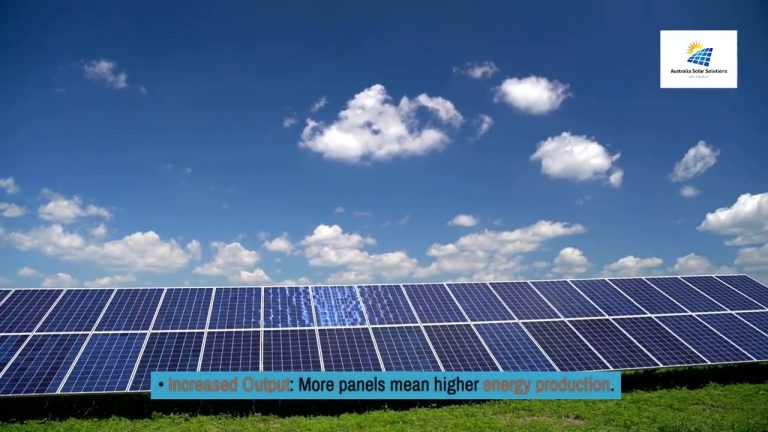
Thinking about going solar for your home? It’s a great idea, especially with how much energy prices keep going up.
I’ve been looking into this myself, and honestly, I was pretty surprised by how many everyday things we can power with just the sun.
You know, those big appliances that seem like they’d suck up all the power? Turns out, a lot of them can actually run directly on solar energy.
This guide is all about figuring out which home appliances can run directly on solar energy, so you can start saving money and be a bit kinder to the planet.
Key Takeaways
- Many common household appliances, like refrigerators and washing machines, can be powered directly by solar energy systems.
- High-energy consumption items such as air conditioners and ovens can also be run on solar power, often requiring a more robust solar setup.
- Specialized solar-powered appliances, including water heaters, fans, and lights, offer direct and efficient use of sunlight.
- Integrating solar power involves understanding inverter systems, choosing the right appliances, and calculating your specific energy needs.
- While initial setup costs exist, using solar energy for home appliances can lead to long-term cost savings and reduced environmental impact.
Essential Appliances That Can Run Directly On Solar Energy
When you think about powering your home with the sun, some appliances immediately come to mind as prime candidates.
These are the items that keep your household running smoothly day-to-day, and thankfully, many of them are quite adaptable to solar power.
It’s not as complicated as you might think to get these running without relying solely on the grid.
Refrigerators: Keeping Food Fresh With Sunlight
Your refrigerator is probably one of the biggest energy users in your home, running 24/7 to keep your food safe.
Switching your refrigerator to solar power is a really smart move for energy efficiency. On average, a fridge might use around 1.5 kWh daily.
By powering it with solar, you can significantly cut down on your electricity bills.
When looking into solar options, it’s a good idea to check out specialized solar-powered refrigerators designed for lower energy consumption.
These are often a great solution, especially if you live in an area with unreliable power.
Washing Machines: Efficient Cleaning With Solar Power
Doing laundry doesn’t have to be a drain on your electricity.
Washing machines, while they use a fair bit of power, can be integrated into a solar energy system.
The key is to match the machine’s energy needs with your solar setup’s output.
Running your washing machine during peak sunlight hours is the most efficient way to use solar power, allowing the system to recharge easily.
This approach helps reduce the strain on your main power supply and lowers your overall energy costs.
Televisions: Enjoy Entertainment Without Grid Dependency
Who wants to miss their favorite show because of a power outage? With the right solar setup, you can keep your television running even when the grid goes down.
Modern LED TVs are quite energy-efficient, making them excellent candidates for solar power.
A well-sized solar panel system, complete with an inverter and battery storage, can provide uninterrupted entertainment.
It’s a fantastic way to enjoy your TV and other devices, especially in areas prone to frequent power cuts, and it’s a practical step towards energy independence.
Powering these everyday appliances with solar energy isn’t just about saving money; it’s about making a conscious choice for a more sustainable lifestyle.
It reduces your carbon footprint and lessens the demand on traditional power grids.
High-Energy Consumption Appliances And Solar Solutions
Some of your biggest energy users might seem off-limits for solar power, but that’s not always the case.
With the right setup, even appliances that guzzle electricity can become solar-friendly.
It’s all about understanding their needs and matching them with your solar system’s capabilities.
Air Conditioners: Cooling Your Home Sustainably
Air conditioners are notorious energy hogs, especially during those sweltering summer months.
They can easily account for a third of your electricity bill when the temperature really climbs.
A typical AC unit can use anywhere from 3 to 3.5 kWh, and running one all night could rack up 20-24 kWh daily.
While a standard AC might be a stretch for a small solar setup, specialized solar-powered AC units are becoming more available.
These are designed with efficiency in mind, often using less power than their conventional counterparts.
Alternatively, if you have a robust solar system, you might be able to power a high-efficiency conventional AC, especially during peak sunlight hours.
Ovens: Baking and Cooking With Solar Energy
Love to bake or roast? Ovens can use a significant amount of energy, typically between 1 kWh and 4 kWh depending on how long you use them and what temperature you set.
Running an oven on solar power is definitely achievable, especially if you have a good solar panel setup.
The key is to match your solar panel’s power generation capacity to the oven’s energy demands.
Think of it as a direct swap – the sun’s energy does the work instead of pulling from the grid.
This can make a big difference in your energy bills, particularly if you use your oven frequently.
Dryers: Drying Clothes Efficiently Using Solar Power
Clothes dryers are another appliance that requires a good amount of energy to do their job, mainly to generate the heat needed to dry your clothes.
Depending on the type and size, a dryer can consume between 1.8 kWh and 5 kWh per cycle.
While it might seem like a challenge, solar power can handle this.
You have a couple of options here: invest in an energy-efficient dryer that uses less power overall, or ensure your solar panel system is sized appropriately to handle the dryer’s load.
Running your dryer during sunny periods is the most effective way to use solar power for this task, minimizing any impact on your main electricity supply.
Comfort And Convenience Powered By The Sun
When we think about solar power, we often focus on the big stuff like refrigerators or air conditioners.
But what about those everyday conveniences that make life a little easier? Turns out, many of them can run on sunshine too, adding a nice layer of comfort without the constant worry about the electricity bill.
Heaters: Staying Warm With Solar Energy
While it might seem counterintuitive to think of heaters running on solar, it’s definitely possible, especially with advancements in technology.
For smaller spaces or supplemental heating, solar-powered heaters can be a great option.
Think about radiant panel heaters that use electricity generated from your solar panels.
They’re not usually designed to heat an entire house in the dead of winter on their own, but they can certainly take the edge off a chilly morning or evening.
Some systems even use solar thermal collectors to heat water, which can then circulate through radiators or underfloor heating systems.
It’s a more involved setup, but the idea of warm floors powered by the sun is pretty appealing.
- Consider supplemental heating: Solar heaters are best for taking the chill off, not replacing your main heating system in very cold climates.
- Look into solar thermal: These systems use the sun’s heat directly to warm water, which can then be used for heating.
- Check energy efficiency: Like any heater, choose models designed to use power wisely.
Dishwashers: Cleaning Dishes With Renewable Power
Yes, even your dishwasher can join the solar-powered club! Modern dishwashers are getting more energy-efficient, and when paired with a solar energy system, they become even greener.
The key here is managing your energy usage.
You’d want to run your dishwasher during peak sunlight hours when your solar panels are generating the most power.
Some people even set their dishwashers to start automatically in the afternoon.
It’s a simple behavioral change that can make a big difference in how much grid electricity you use.
Running appliances like dishwashers during the day, when solar production is highest, is a smart way to maximize your solar energy use and reduce reliance on the grid.
Here’s a quick look at what to consider:
- Energy Star Rating: Always opt for an Energy Star certified dishwasher.
These use significantly less water and electricity.
- Run Time: Schedule washes for sunny afternoons to take advantage of direct solar generation.
- System Sizing: Make sure your solar panel setup can handle the dishwasher’s energy draw, especially if you’re running other appliances simultaneously.
- Battery Storage: While not strictly necessary for daytime use, a battery backup can provide peace of mind for running the dishwasher during cloudy spells or in the early evening.
Specialized Solar-Powered Appliances
Beyond the usual suspects like refrigerators and washing machines, there’s a whole category of specialized appliances designed to work with the sun.
These are often built with efficiency in mind from the ground up, making them great options if you’re really looking to lean into solar power for specific tasks.
Solar Water Heaters: Hot Water On Demand
These are pretty common, especially in sunnier climates.
A solar water heater uses panels to capture the sun’s heat and transfer it to water stored in an insulated tank.
It’s a fantastic way to get hot water for showers and cleaning without using any electricity or gas. Most systems have a backup heating element for those cloudy days, so you’re not left out in the cold.
They can really cut down on your energy bills.
Solar Fans: Cooling Without The Grid
If you need some air circulation but want to avoid adding to your electricity load, solar fans are a good bet.
You can find them as ceiling fans or even portable pedestal fans.
Many of these run directly off a solar panel, or they might have a battery that charges up during the day so the fan can run after sunset.
They’re a simpler, less power-hungry alternative to air conditioning.
Solar Lights: Illuminating Your Home Naturally
This is probably one of the easiest ways to start using solar power.
Solar lights range from decorative garden path lights to more practical indoor LED bulbs.
They charge up their internal batteries using sunlight all day and then switch on automatically when it gets dark.
They’re great for security, ambiance, and just generally reducing your reliance on the grid for lighting needs.
You can find solar appliances that include lighting solutions.
Here’s a quick look at what you might expect:
- Garden Lights: Small, often decorative lights for pathways and flower beds.
- Security Lights: Brighter lights with motion sensors for your yard or driveway.
- Indoor Lighting: LED bulbs that can charge during the day and provide light at night.
Using solar lights is a straightforward way to add illumination without impacting your main power consumption.
They’re often self-contained units, making installation a breeze.
Integrating Solar Power Into Your Home
So, you’ve been thinking about powering your home with the sun, huh? It sounds pretty cool, and honestly, it’s more doable than you might think.
But getting it all set up isn’t just about slapping some panels on the roof and calling it a day.
There’s a bit more to it, and understanding the pieces involved is key to making it work for you.
Understanding Solar Inverter Systems
Think of a solar inverter as the brain of your solar setup.
Solar panels generate direct current (DC) electricity, but most of our home appliances run on alternating current (DC).
The inverter’s job is to convert that DC power into AC power that your fridge, TV, and washing machine can actually use.
There are a few types out there, like string inverters and microinverters, each with its own pros and cons.
Choosing the right inverter system is super important for making sure your solar energy is used efficiently. It also plays a big role in how well your system handles different weather conditions and how much power you can actually get from your panels.
For a good overview of how these systems work, you can check out this guide on integrating solar panels.
Choosing The Right Solar Appliances
Not all appliances are created equal when it comes to solar power.
While you can power many things, some are much more energy-hungry than others.
For instance, running a refrigerator or a washing machine on solar is pretty common.
But trying to power a whole house full of high-energy gadgets, like multiple air conditioners, might require a much larger and more complex solar setup.
When you’re shopping for new appliances, look for energy-efficient models.
Things like ENERGY STAR ratings are a good indicator.
Some appliances are even designed specifically to work with solar power, which can make things simpler.
Calculating Solar Panel Needs For Your Appliances
This is where things get a bit math-y, but don’t worry, it’s not rocket science.
You Need to figure out how much electricity your appliances use and then calculate how many solar panels you’ll need to generate that power.
It’s not just about the wattage of the appliance; you also have to consider how long you’ll be using it each day.
Plus, you’ve got to factor in things like battery storage for when the sun isn’t shining and the efficiency of your inverter.
A good starting point is to list out all the appliances you want to power and their daily energy consumption.
Then, you can start to get an idea of the system size you’ll need.
Here’s a basic idea:
- List your appliances: Write down everything you want to power.
- Find their wattage: Check the appliance label or manual.
- Estimate daily usage: How many hours per day will it run?
- Calculate daily energy (Watt-hours): Wattage x Hours of Use.
- Sum up total daily energy needs: Add up the Watt-hours for all appliances.
- Factor in sunlight hours: How many hours of good sunlight do you get daily in your area?
- Consider system losses: Inverters and batteries aren’t 100% efficient.
Getting the calculations right upfront saves a lot of headaches later.
It’s better to slightly oversize your system than to find out you can’t power your essentials when you need them most.
Think about your lifestyle and what’s truly important to have powered by the sun.
Finally, remember that the number of panels you need can change based on your location, the angle of your roof, and even the season.
It’s often a good idea to consult with a solar professional to get a precise calculation for your specific home.
Wrapping Up: Powering Your Home with the Sun
So, we’ve looked at a bunch of appliances that can totally run on solar power, from your fridge keeping things cool to your TV keeping you entertained.
It’s pretty neat how much we can do with just the sun these days.
While setting up solar might feel like a big step, it really can make a difference in your electricity bills and, you know, help the planet a bit too.
Think about what you use most and see if solar makes sense for your home.
It’s not just about being green; it’s about being smarter with your energy.
Frequently Asked Questions
Can I really run my big appliances like the AC, TV, and fridge using just solar power?
Yes, you absolutely can! With the right setup, including enough solar panels and a good inverter system, you can power many of your regular home appliances.
Think of it like this: the sun gives energy, and your solar setup captures it to run your devices, just like the regular power company does, but with sunshine!
Is it possible for my entire house to run only on solar power?
It’s definitely possible to power your whole house with solar energy.
This usually means having a larger solar panel system, possibly with battery storage to keep things running when the sun isn’t out.
It takes careful planning to make sure you have enough power for everything you use.
Do solar panels work when it’s dark outside, like at night?
Solar panels themselves need sunlight to make electricity, so they don’t produce power at night.
However, if you have a solar system with batteries, those batteries can store the energy captured during the day and use it to power your home after the sun goes down.
Can my washing machine run on solar power?
Yes, a washing machine can run on solar power! Washing machines don’t need power all the time, unlike a fridge.
Using them during sunny hours, or with a solar system that includes battery storage, makes it easy to wash your clothes using the sun’s energy.
Are there any home appliances that just can’t be used with solar power?
Most common home appliances can be powered by solar energy with the right system.
Some very high-energy-use appliances, or those that need a constant, super-strong power supply, might require a very large and expensive solar setup.
But for most everyday items, solar is a great option.
How many solar panels do I need to power a refrigerator?
The number of solar panels needed for a refrigerator depends on how much power the fridge uses and how long it runs.
Generally, you might need about 3 to 4 average-sized solar panels to power a smaller fridge.
For bigger refrigerators or longer run times, you’d need more panels or a system with battery backup.