Solar energy is a hot topic, but there’s a lot of confusing information out there.
It seems like everyone has an opinion, and sometimes those opinions are based on old news or just plain wrong ideas.
This can make it tough to figure out if solar is the right move for you.
We’re going to look at why people believe wrong facts about solar energy and clear up some of the biggest myths so you can make a choice that makes sense.
Key Takeaways
- Many common beliefs about solar panels, like them only working in sunny weather or being too expensive, are simply not true anymore.
- Solar technology has advanced a lot, making panels more efficient and reliable, even in cooler or cloudy conditions.
- The cost of solar has dropped significantly, and with incentives, it’s often a smart long-term financial decision.
- Solar panels are built to last and require very little maintenance, contrary to popular belief.
- Misinformation spreads easily online and through media, shaping people’s understanding of solar energy’s capabilities and benefits.
Misconceptions About Solar Panel Performance
A lot of folks seem to think solar panels are pretty finicky.
They picture them only working under a bright, cloudless sky, and that’s just not the whole story.
Let’s clear up some of the confusion about how these things actually perform.
Solar Power Only Works in Sunny Weather
This is a big one.
The idea that solar panels need intense, direct sunlight to do anything is a common misunderstanding.
Solar panels generate electricity from light, not heat. That means even on a cloudy day, they’re still capturing photons and converting them into usable energy.
While direct sun is best, overcast skies don’t shut them down completely.
Think of it like a plant – it needs light to grow, but it doesn’t wilt the moment a cloud passes over.
Germany, a country not exactly known for its endless sunshine, has a very successful solar energy program, which really shows that you don’t need perfect weather for solar to be effective.
Cold Weather and Cloudy Days Impact Solar Production
It’s true that heavy clouds or a thick blanket of snow can reduce how much power your panels produce.
But here’s the interesting part: cooler temperatures can actually improve the efficiency of solar panels.
The electrical components inside the panels work better when they’re not overheating.
So, while a blizzard might temporarily cover your panels, once it clears, they’ll get back to work.
In fact, some studies show that panels can produce significantly more electricity in cold weather compared to hot weather.
Any snow that does land on the panels often melts off fairly quickly due to the panel’s warmth, and sometimes the snow on the ground can even reflect extra light onto the panels, giving them a little boost.
It’s not a simple on-off switch; it’s more of a dimmer.
Solar Panels Are Inefficient
When people hear that solar panels aren’t 100% efficient, they sometimes think that means they’re not very useful.
Commercial solar panels typically convert around 15-22% of the sunlight that hits them into electricity.
That might sound low, but it’s important to remember just how much energy the sun puts out.
The amount of solar energy that hits the Earth in just a short period is more than enough to power the entire planet for a year.
So, even with that 20-ish percent conversion rate, a reasonably sized system can generate a substantial amount of power for a home.
Plus, the technology is always getting better, with researchers constantly pushing those efficiency numbers higher.
Waiting for the ‘perfect’ panel might mean missing out on current savings and incentives.
The key takeaway is that solar technology is robust and adaptable.
It’s designed to work in a variety of conditions, not just the idealized sunny days often imagined.
Modern systems are quite capable of providing consistent energy even when the weather isn’t cooperating perfectly.
Here’s a quick look at how different conditions can affect output:
- Direct Sunlight: Optimal performance, highest energy generation.
- Cloudy Days: Reduced output, but still generating power.
Modern panels are better at capturing diffuse light.
- Cold Weather: Often leads to increased efficiency due to better electrical conductivity in the cells.
- Snow: Can temporarily block panels, but melting and reflection can sometimes aid production.
Snow cover typically accounts for a small percentage of annual production loss.
You can check out solar panel performance data for more details on how different climates fare.
It’s also worth noting that while panels have a conversion efficiency, the overall energy available from the sun is immense, making even current technologies highly effective for meeting energy needs.
The Cost and Investment of Solar Energy
Okay, let’s talk about money.
When people first think about solar panels, the price tag often comes up.
It’s easy to see a number and think, ‘Whoa, that’s a lot!’ But it’s not quite that simple.
Solar Energy Systems Are Too Expensive
This is a big one.
People see the upfront cost, which can be thousands of dollars, and immediately dismiss it.
It’s true, installing a solar system isn’t like buying a new toaster.
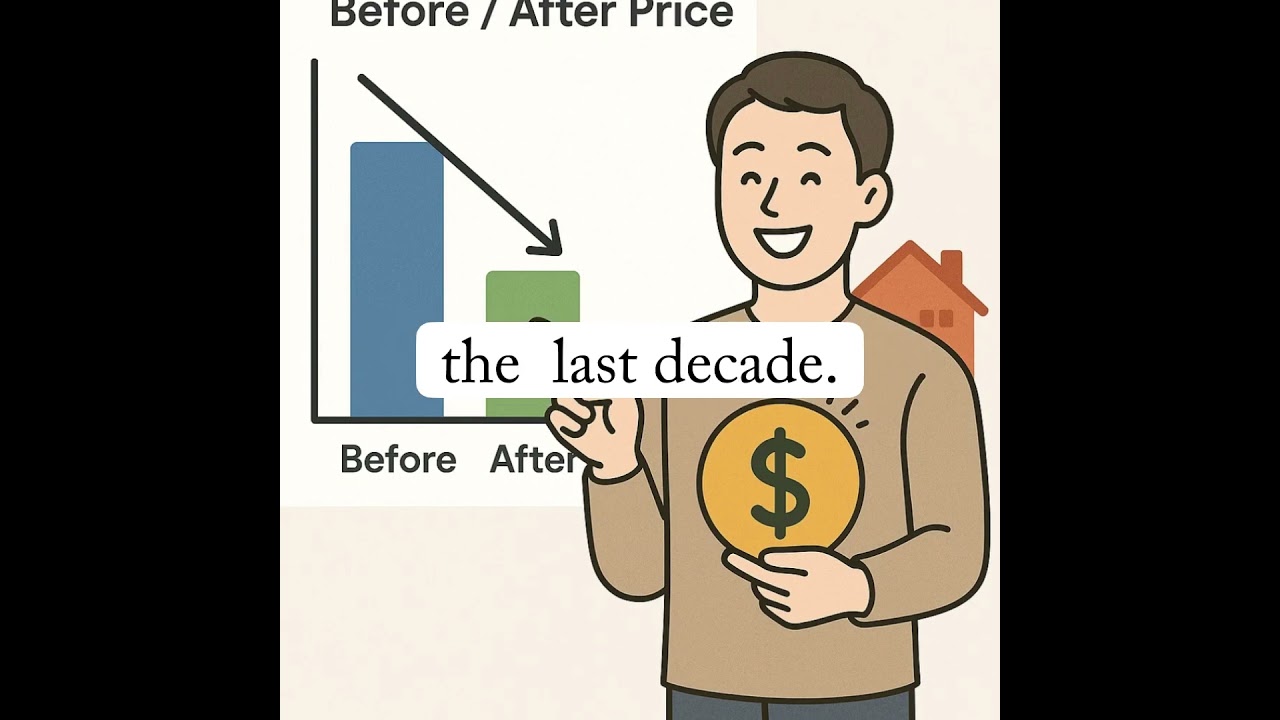
However, the cost of solar has dropped dramatically over the last decade.
Plus, you don’t usually have to pay the whole amount upfront.
There are loans, leases, and power purchase agreements that spread the cost out over many years.
Think of it more like a mortgage for your roof, but one that pays you back over time through lower electricity bills.
The Long-Term Investment of Solar Panels
This is where solar really shines.
While the initial cost is a hurdle for some, the real story is the long-term savings.
Once your system is paid off, the electricity it generates is essentially free.
This can lead to significant savings on your monthly utility bills for decades.
It’s not just about saving money, though.
Installing solar can also increase the value of your home.
Buyers often see solar panels as a desirable feature, knowing they’ll benefit from lower energy costs too.
Here’s a quick look at how costs have changed:
| Year | Average Cost per Watt (Residential Solar) |
|---|---|
| 2015 | $3.50 |
| 2020 | $2.80 |
| 2025 | $2.30 (estimated) |
Note: These are general estimates and can vary widely by location and system size.
Financing and Incentives for Solar Adoption
To make solar even more accessible, there are a bunch of programs designed to help.
You’ve got federal tax credits, which can cover a good chunk of the installation cost.
Then there are state and local rebates, which vary a lot depending on where you live.
Some utility companies even offer incentives.
These programs are designed to encourage people to switch to clean energy, and they can make a big difference in the overall cost.
It’s worth doing your homework to see what’s available in your area.
It can turn that ‘too expensive’ idea into a much more manageable investment.
The narrative that solar is prohibitively expensive often overlooks the significant decrease in installation costs over the past decade and the availability of various financial tools.
When you factor in long-term savings on electricity bills and potential increases in property value, the initial outlay starts to look more like a smart investment than a simple expense.
Maintenance and Reliability Concerns
A lot of people worry that solar panels are going to break down easily or need constant tinkering.
It’s a common thought, especially when we’re used to things like cars or older appliances that need regular attention.
But honestly, solar panels are pretty low-maintenance.
Solar Panels Require Constant Maintenance
This is a big one that gets thrown around.
The truth is, solar panels are designed to be pretty hands-off.
They don’t have a lot of moving parts, which means fewer things can actually go wrong.
Think about it: no engines, no gears, just solid panels doing their job.
Most of the time, the biggest thing you might need to do is an occasional cleaning, and even then, rain often does a decent job of washing off dust and debris.
For most homeowners, the annual upkeep costs are minimal, often less than a hundred dollars a year, and that’s usually just for a check-up or maybe replacing an inverter down the line.
The Reliability of Solar Energy Systems
When people talk about reliability, they often bring up how solar power depends on the weather.
And yeah, it’s true that a super cloudy day means less power than a bright sunny one.
But modern systems are way better at handling this than you might think.
They’re designed to capture light even when it’s not perfectly sunny.
Plus, the grid itself is getting smarter with energy storage solutions, like batteries, which can store excess energy generated on sunny days for use when it’s cloudy or at night.
It’s not just about the panels themselves, but how the whole system works together.
Studies have shown that solar energy systems are incredibly reliable, with very low failure rates.
Durability and Lifespan of Solar Technology
Worried about how long these things will last? Most solar panels come with warranties that cover 20 to 25 years, and they often keep producing power well beyond that.
They’re built tough to handle all sorts of weather, from heatwaves to wind.
While extreme temperatures can slightly reduce their efficiency, they’re still operational and widely used in places like deserts.
The technology has advanced so much that these panels are designed for longevity, meaning you’re not looking at a system that will need replacing every few years.
It’s a long-term investment that’s built to last.
The idea that solar panels are fragile or constantly need fixing just isn’t backed up by how they’re made and how they perform in the real world.
They are engineered for durability and require surprisingly little attention to keep them running efficiently for decades.
Broader Misunderstandings About Solar’s Role
Sometimes, people just don’t get the big picture when it comes to solar energy.
It’s not just about slapping panels on a roof; it’s about how it fits into our world and our future.
Let’s clear up some of these wider confusions.
Solar Power is Unnecessary for Sustainability
There’s this idea floating around that going solar isn’t really a big deal for the environment, or that other green efforts are more important.
Honestly, that’s just not right.
While there are tons of ways to be more eco-friendly, solar power is a really direct and powerful way to make a difference.
It’s one of the most impactful steps you can take.
Think about it: solar panels generate electricity without burning fossil fuels.
That means less pollution, fewer greenhouse gases, and a cleaner planet.
This clean energy can power everything from your home appliances to electric cars, directly cutting down on the carbon footprint we all leave behind.
It’s not just a nice-to-have; it’s a key player in building a sustainable future.
Solar Technology is Still Undeveloped
Another common thought is that solar tech is still in its infancy, like it’s not quite ready for prime time.
But that’s a bit outdated.
Solar panel efficiency has gotten way better over the years, and the technology is constantly improving.
We’re seeing more durable panels, smarter inverters, and better ways to store solar energy.
Here’s a quick look at how solar capacity has grown:
| Year | Global Solar Capacity (Gigawatts) |
|---|---|
| 2010 | ~20 GW |
| 2015 | ~220 GW |
| 2020 | ~710 GW |
| 2024 | ~1,300 GW (estimated) |
This growth shows that solar isn’t just a niche idea; it’s becoming a major part of our energy mix.
The technology is here, it’s reliable, and it’s only getting better.
Impact of Solar Farms on the Environment
Solar farms sometimes get a bad rap, with people worrying they harm wildlife or take up too much land.
It’s true that any large-scale project can have an impact, but it’s important to look at the whole picture.
- Land Use: While solar farms do need space, they can often be built on land that isn’t great for farming or is already developed.
Sometimes, they can even be designed to coexist with nature, like allowing certain plants to grow underneath.
- Wildlife Concerns: Reports of harm to birds or bats do come up, but these issues are being studied.
Researchers are looking for ways to build and manage solar farms so they have less impact.
It’s also worth remembering that other energy sources can have much bigger environmental downsides.
- Habitat: The idea that solar farms destroy habitats on a massive scale is often exaggerated.
Careful planning can minimize negative effects, and in some cases, solar installations can even create new, albeit different, habitats.
The conversation around solar farms needs to be balanced.
We should acknowledge potential issues and work towards solutions, but not let fear of the unknown overshadow the significant environmental benefits solar energy provides compared to traditional power sources.
Addressing Why People Believe Wrong Facts About Solar Energy
It’s kind of wild how many folks still believe some pretty outdated stuff about solar power, right? You hear things all the time that just aren’t true anymore, and it makes you wonder where it all comes from.
A big part of it is definitely the internet.
It’s like a giant echo chamber sometimes.
You can find anything online, good or bad, and if someone’s looking for reasons not to believe in solar, they can find articles or forum posts that seem to confirm their doubts, even if the information is old or just plain wrong.
The Role of Misinformation Online
Think about it – a quick search can bring up a mix of solid facts and complete fiction.
Someone might stumble upon an old article from ten years ago talking about how inefficient solar panels were back then, and they just run with it.
They don’t realize how much the technology has improved since.
It’s easy to get caught up in what you read first, especially if it confirms what you already suspected.
This kind of information spreads like wildfire, and before you know it, a myth becomes common knowledge for a lot of people.
Cultural and Media Influences on Beliefs
Beyond just random internet articles, sometimes our culture and the media play a role too.
Movies or TV shows might portray solar technology as something futuristic and unreliable, or maybe they just don’t show it at all.
This can shape our perception without us even realizing it.
If you grow up seeing solar panels as a niche thing for eco-warriors or as something that’s always breaking down in fictional stories, it’s hard to shake that image.
It’s not always intentional, but these portrayals can stick with us and make us hesitant to accept that solar is now a mainstream, dependable energy source.
The Importance of Factual Information
So, what’s the fix? It really comes down to getting good, accurate information out there.
We need clear, easy-to-understand facts that directly address these old myths. When people see real-world examples, hear from happy customers, and understand the actual science behind how solar works today, the old beliefs start to fade.
It’s about replacing those outdated ideas with what’s actually happening now.
Think of it like this:
- Old Myth: Solar panels don’t work when it’s cloudy.
- Modern Fact: While production is lower on cloudy days, panels still generate electricity, and modern systems often have battery storage to cover those times.
- Old Myth: Solar is way too expensive for the average person.
- Modern Fact: Costs have dropped dramatically, and incentives often make it cheaper than traditional electricity bills over time.
- Old Myth: Solar panels are a hassle to maintain.
- Modern Fact: Most systems require very little maintenance, often just an occasional cleaning, and come with long warranties.
It’s easy to believe what you’ve always heard, especially when it comes to new technology.
But with solar, the reality has changed so much that sticking to old ideas just doesn’t make sense anymore.
We’ve got to look at what’s true today.
Moving Forward with Solar Energy
So, we’ve looked at a bunch of these common worries people have about solar power.
Things like whether It Actually Works when it’s cloudy or cold, or if it’s just too pricey for most folks.
The truth is, a lot of what people think they know about solar energy just isn’t accurate anymore.
Technology has come a long way, and the costs have dropped quite a bit.
Plus, solar panels are pretty tough and don’t need a ton of fussing over.
By clearing up these myths, we hope you feel more confident about what solar energy can really do for your home and your wallet.
It’s a cleaner way to power your life, and it’s more within reach than you might think.
Frequently Asked Questions
Do Solar Panels only work when the sun is shining brightly?
No, that’s a common myth! Solar panels can still make electricity on cloudy days or even when it’s raining or snowing.
While they work best with direct sunlight, they capture light, not heat.
So, as long as there’s some daylight, they’re producing power.
Plus, you can add batteries to store energy for when the sun isn’t out.
Is solar energy too expensive for regular homes?
Not anymore! The cost of solar panels has dropped a lot over the years.
Many programs and government help, like tax credits, make it much more affordable.
Think of it as an investment: the money you save on electricity bills can help pay for the system over time, and it can even add value to your home.
Do solar panels need a lot of cleaning and upkeep?
Actually, solar panels are pretty low-maintenance.
They don’t have many moving parts, so they don’t break down easily.
Most of the time, they just need a quick check-up once a year.
If you lease your system, the company you lease from often handles any needed maintenance.
Can solar panels work in cold weather or winter?
Yes, they can! It’s a myth that solar panels don’t work when it’s cold.
In fact, they often work even better in cool, sunny weather because heat can make them a little less efficient.
As long as they can see daylight, they’re generating power, even in the winter.
Is solar technology still new and not fully developed?
Solar technology has been around for a while and is quite advanced now.
While companies are always working on making it even better, the basic technology used today is well-established and reliable.
You don’t need to wait for future improvements to benefit from solar power.
What happens if my solar panels don’t make enough electricity for my home?
Most homes with solar panels are still connected to the main power grid.
This means if your solar system doesn’t produce enough power for a short time, the grid will automatically supply the rest.
It’s like having a backup, but you’re still using your solar power first.
Read More Posts
- Debunking Myths: Do Solar Panels Really Not Work in Cloudy Areas?
- Why People Believe Wrong Facts About Solar Energy: Debunking Common Misconceptions
- Clearing the Air: Unraveling Common Misunderstandings About Home Solar Efficiency
- Demystifying Solar Power: How It Actually Works for Beginners
- Solar Panels for Everyday Use: A Simple Explanation You Can Understand
- How Regular Households Benefit from Small Solar Setups: Unlocking Savings and Sustainability
- What People Get Wrong About Basic Solar Energy Facts: Debunking Common Misconceptions
- Discover Simple Ways Families Use Solar Energy at Home for a Brighter Future
- Beyond the Grid: Practical Examples of Solar Use in Everyday Routines